Why is my dog eating dirt?
Get to the root of your dog’s dirt-eating habit and find out when to speak to a vet.
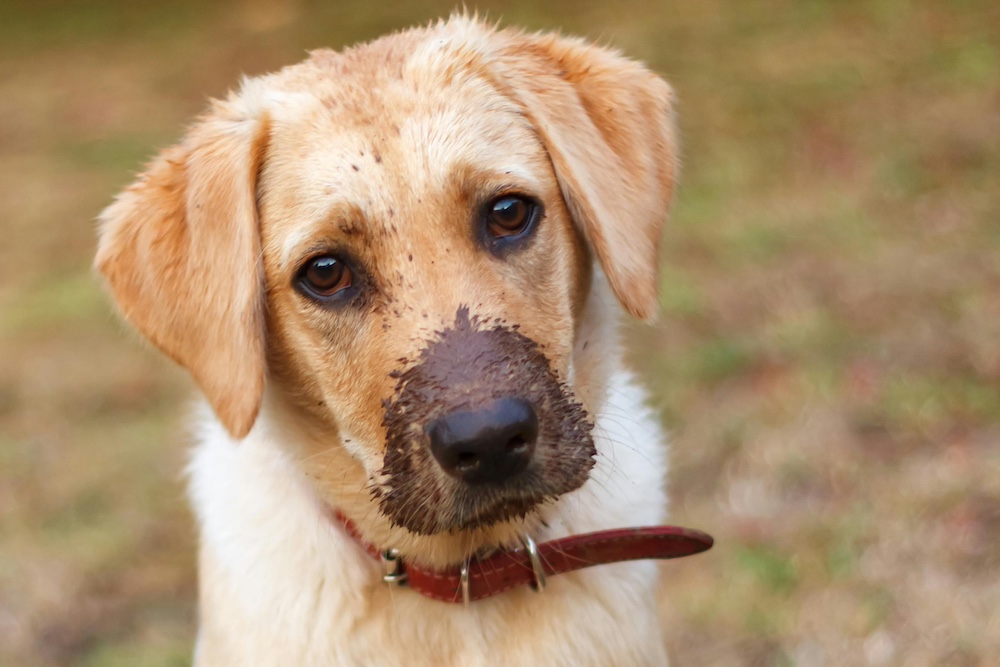
Quick takeaways about dogs eating dirt
- Many dogs occasionally eat dirt – common reasons include hunger, boredom and nausea.
- If your dog is eating soil regularly, they might be trying to address a nutritional deficiency caused by an unbalanced diet.
- Eating dirt and soil can leave them more susceptibly to intestinal worms.
Dogs are notorious for eating weird and wonderful things, including dirt – whether the taste, texture or scent sparks their interest.
But, if your dog is eating dirt regularly – known clinically as ‘geophagia’ – you’ll want to determine why.
Curiosity is one of the most obvious reasons a dog eats soil, particularly for inquisitive puppies who haven’t yet learned what’s good to eat and what isn’t.
And hunger is another big factor, as a peckish dog will try to fill their tummy with anything they can find.
This habit can also point to nutritional deficiencies, potentially caused by an unbalanced diet. Behavioural issues, parasites, and stomach problems are on the list of common causes, too, so getting things checked out is essential.
We’ve unpicked all the possible causes here, including what to do if your dog’s scavenging instinct is getting out of hand – and when it’s time to speak to your vet.
What are the most common reasons my dog is eating dirt?
There are many reasons why your dog could be snacking on soil, and we’ve listed the most common causes here.
1. A nutritional deficiency
Dogs are clever creatures and can detect an imbalance in minerals like iron, zinc and calcium. According to research, dogs might instinctively eat dirt or soil – as well as other things, like grass, plants and even poo – to try to address an imbalance. This can happen if you’re not feeding a complete and balanced diet.
Eating soil can lead to more problems – some of which we’ve listed below – so it’s vital to feed your dog a balanced diet that meets their nutritional needs. That will vary by age and breed, so a personalised nutrition plan tailored to your dog’s unique needs is ideal.
2. An upset stomach
Dogs sometimes use eating dirt as a way to induce vomiting when they’ve got an upset stomach – similar to eating grass when they feel unwell. If your dog eats soil and then vomits, keep an eye on their stomach issue and speak to a vet if you’re worried or if their symptoms continue for longer than a day.
3. Parasites
If your dog has parasites, like worms, they might eat mud because their stomach is irritated or uncomfortable. Unfortunately, eating dirt can also be one of the key causes of parasites like intestinal worms, as they can be picked up from the soil. It’s a vicious cycle, so treating the parasites effectively is important to break the habit.
4. Boredom
Left to their own devices for too long, a bored dog might eat soil simply for something to do. Eating dirt is a form of ‘pica’, which is eating or craving things that aren’t food. If your dog is bored or lonely, you might also find that they eat other non-food items. Enough exercise, play, company and enrichment are important for keeping your dog happy and healthy.
5. Behavioural issues
Just as dogs can become destructive when bored, they might eat dirt when stressed or anxious – as a coping mechanism. Separation anxiety is another common cause, and a pet behaviourist can work with you and your dog to find ways to help them overcome this.
How can I stop my dog from eating dirt?
1. Determine and treat the cause
Firstly, you’ll need to determine the cause – the list above is not exhaustive but might help you find a starting point.
Your vet should be the first port of call, as they can rule out any medical issues and treat them accordingly. They might also recommend a behaviourist who can work with you on issues like separation anxiety and stress.
2. Feed your dog a complete and balanced diet
One of the most common causes – nutritional deficiencies – is also the most easily fixed. By feeding your dog a complete and balanced diet, you can be sure they’re getting everything they need to thrive, including the correct ratios of protein and carbs and a balance of vitamins and minerals.
Natures Menu personalised meal plans are tailored according to information you provide in a quick questionnaire about your dog, so there’s no guesswork when it comes to their diet.
3. Walk your dog on the lead
If you’re concerned your dog will indulge while off-lead, keep them on a lead during walks until you can be sure you’ve addressed the issue. You’ll be able to keep a closer eye on them and stop any snacking in its tracks.
4. Discourage the behaviour
Make it clear to your dog that eating dirt is a no-no, with firm verbal discouragement every time they attempt to. Practising the ‘leave it’ command is important so your dog knows how to drop something they shouldn’t eat.
5. Distract and reward
Distract your dog – for example, with a chew toy – to prevent them from eating dirt. And reward them with praise and perhaps a treat when they respond. A good pet behaviourist can work with you to cement good behaviours and nip soil-eating in the bud.